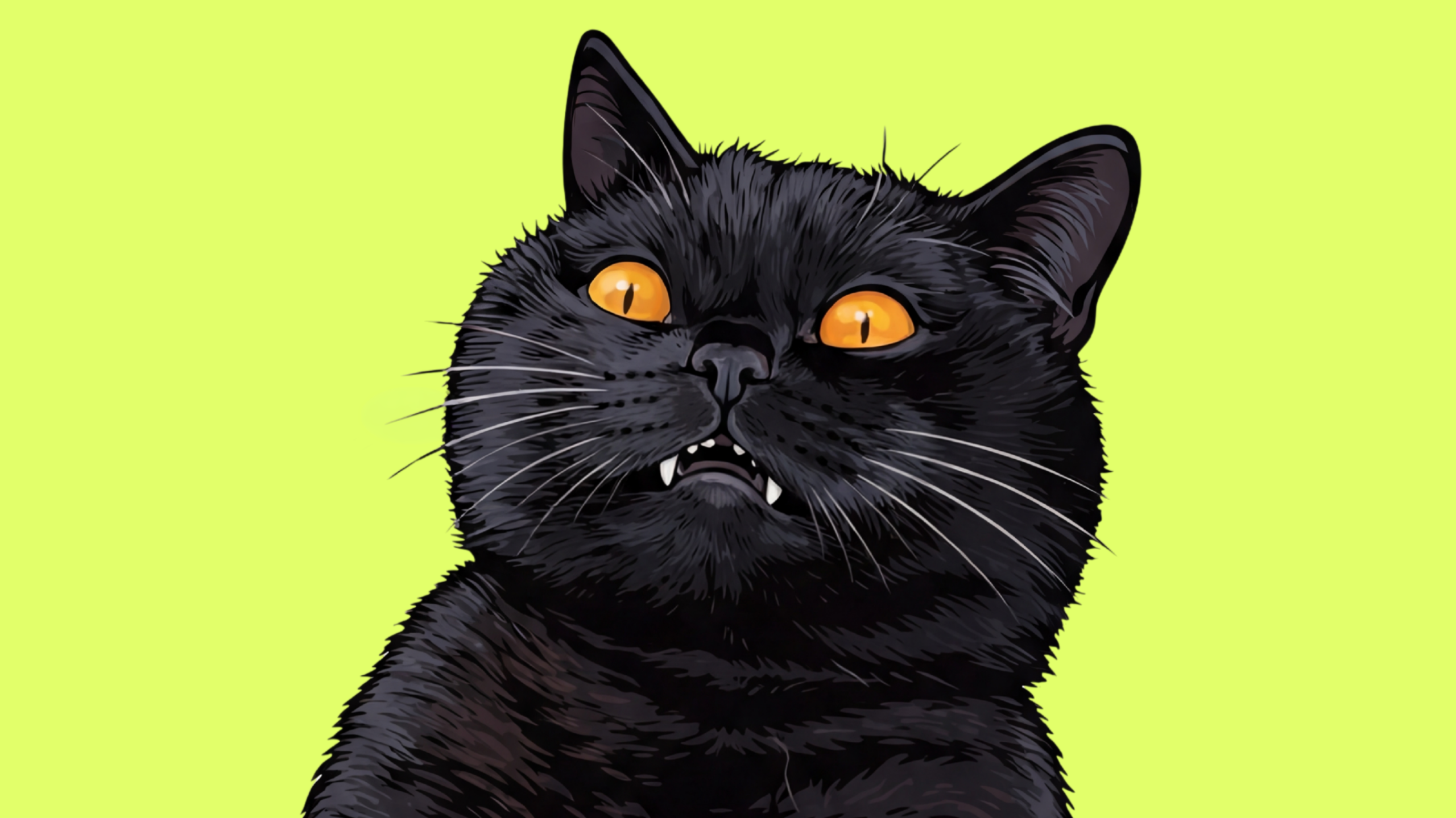
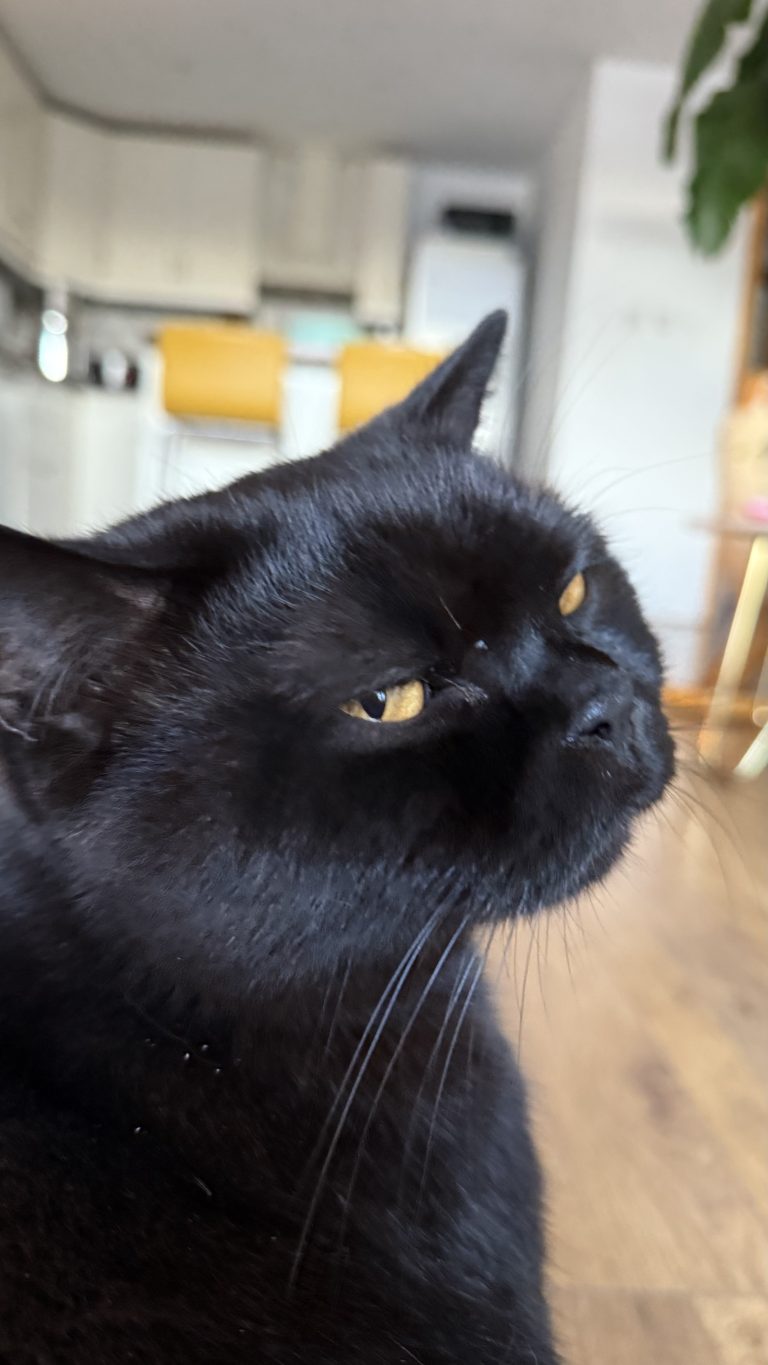
Grooming a British Shorthair is supposed to be a peaceful ritual. They say trimming a domestic cat’s claws is a straightforward task of serenity and cooperation. If you believe that, I have some flea-coin to sell you on the blockchain.
As we observed recently with Rabbitovitz, the reality of “grooming” is often a far more dynamic process.
▶ Watch the video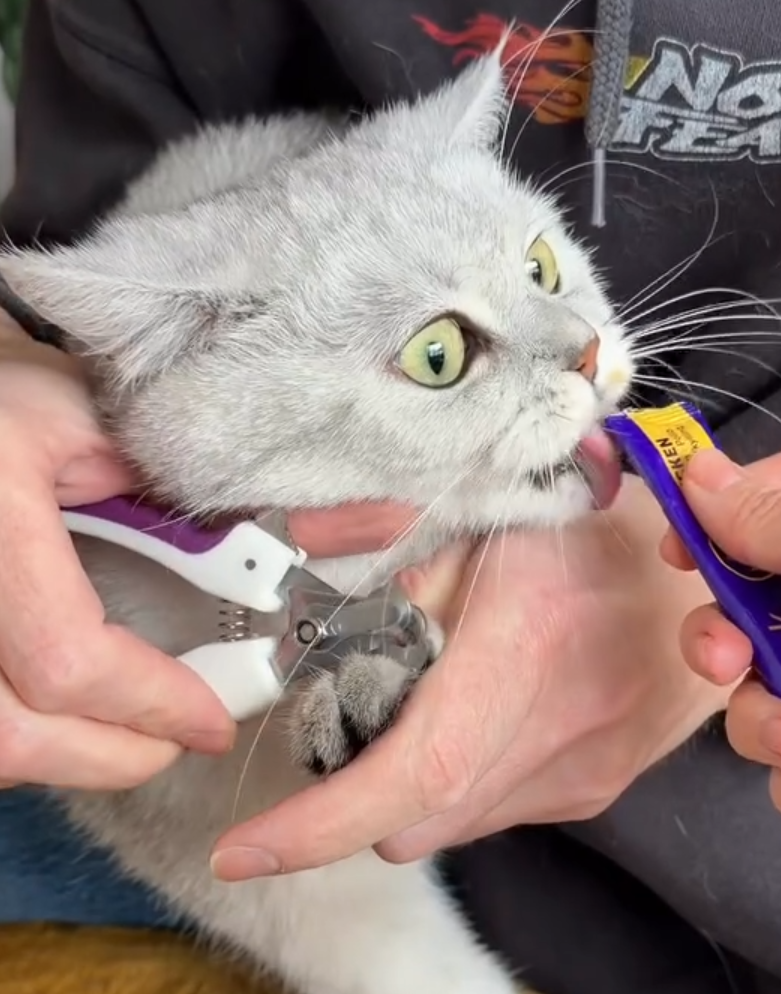
A Lesson in Lowered Expectations
Progress isn’t always linear. In fact, it often goes backward very quickly. One moment you are attempting a precise trim, and the next you are regrouping, slightly more covered in hair, and reconsidering your life choices.
They will return when they are ready, or when they simply forget what just happened.
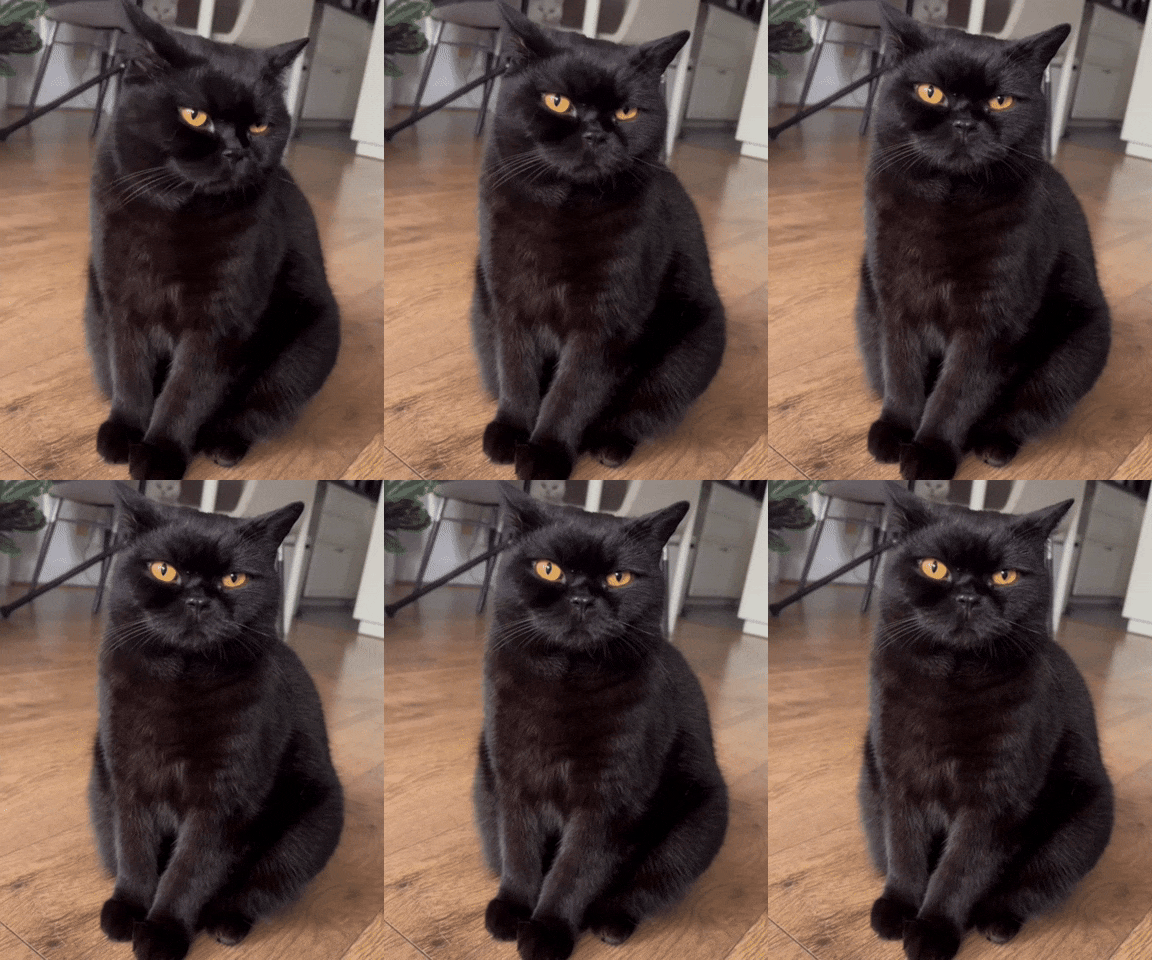
Tips for Grooming a British Shorthair (That Actually Help)
British Shorthairs have a dense, plush double coat that sheds more than you’d expect, especially in spring and autumn. The good news: a little regular grooming goes a long way. Here’s what works in our house, most of the time.
Brush little and often
A quick brush once or twice a week keeps loose fur under control. Step it up to every day or two during shedding season.
Bring a distraction
A lickable treat held by a second person works wonders for nail trims. One person trims, the other runs the snack bar.
Keep sessions short
Two paws today and two tomorrow is still a win. Stop before your cat decides the session is over for you.
End on a good note
Finish with a treat or a favourite game so grooming becomes something they tolerate, and eventually maybe even enjoy.
How Often Should You Be Grooming a British Shorthair?
Every cat is different, but this rough routine keeps our three Furgoblins (mostly) tidy. If you’re new to grooming a British Shorthair, start slowly and build up.
- Brushing: once or twice a week, and every day or two in spring and autumn when the undercoat really lets go.
- Nails: check them every couple of weeks. Indoor cats usually need a trim more often than outdoor cats, who wear their claws down naturally.
- Ears and eyes: a quick look once a week. If you spot redness, discharge or a bad smell, ask your vet.
- Teeth: keep an eye out for bad breath or sore gums, and have them checked at your cat’s regular vet visits.
Most importantly, keep it calm and positive. A cat who feels safe will put up with a lot more brushing than one who’s been chased around the living room. And if it all goes wrong, there’s always tomorrow, and plenty more treats.
Watch the Full Grooming Session
For a closer look at the reality behind grooming a British Shorthair, you can watch the full process here. Spoiler: Rabbitovitz was not impressed.
▶ Open on YouTubeKey Takeaways for Fellow Cat Dads
- Remain present: the fur on your clothes is temporary. Though, in reality, it is actually also eternal.
- Release control: there are times when a “straightforward” task becomes a negotiation. Sometimes you just have to let go and accept that you have an unsatisfied customer on your hands.
- The bond is eternal: even on the bad days, the bond you build through these rituals is what really matters.
No cat dads were harmed in the making of these grooming sessions, though expectations for a perfect manicure have certainly been adjusted.
More Help (and More Fur)
For expert advice, Cats Protection has a helpful guide to grooming your cat. Looking for tools? Our Amazon Finds include the grooming gear we actually use. And if you’ve ever wondered what happens to all that shed fur, follow Lyle’s cat wool ball. For more of today’s star, read 3 things I wish I knew before getting a Rabbitovitz.